


Data Centre Earthing and Surge Protection India | Rasnal
September 21, 2026
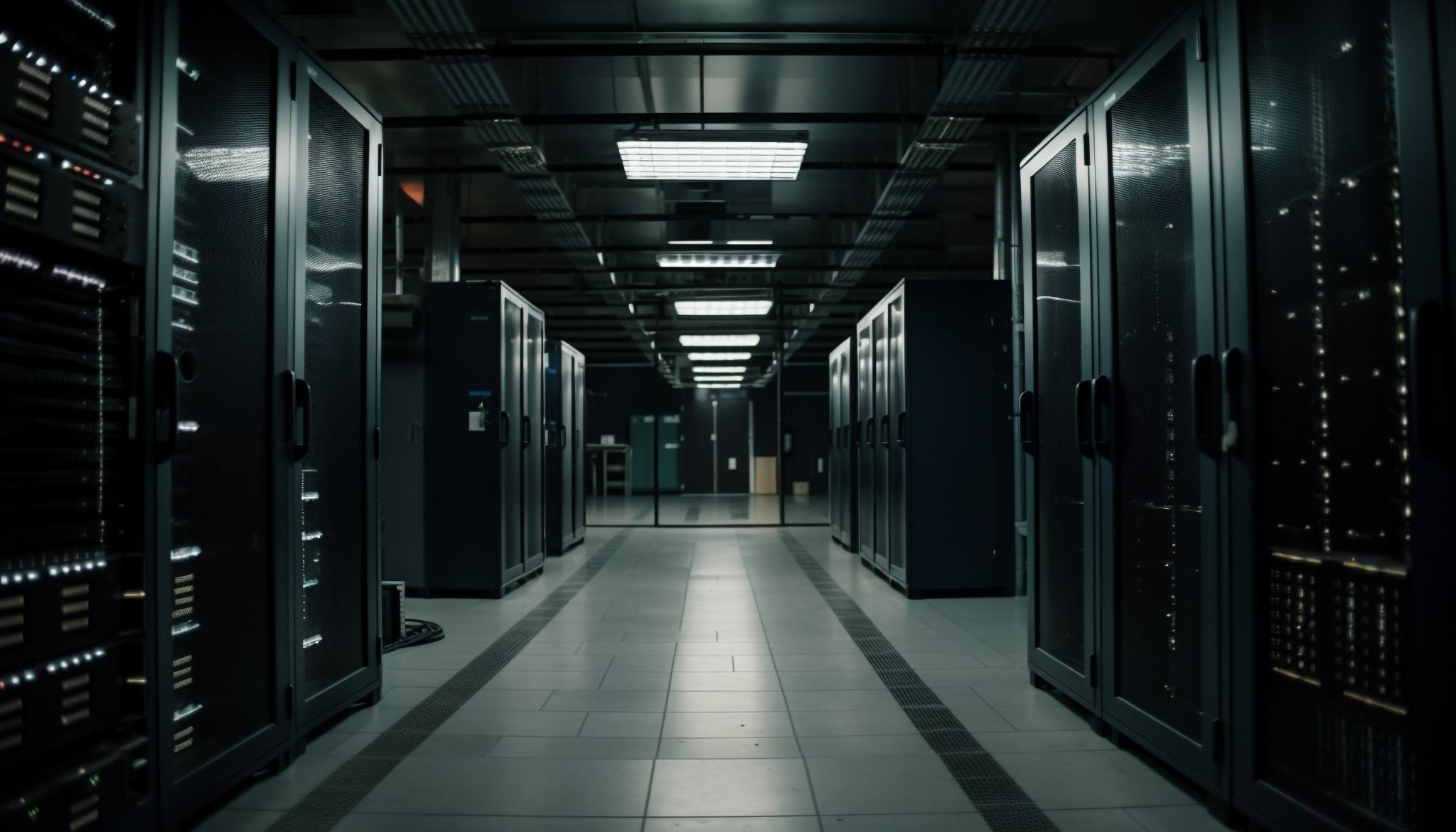
India is building data halls faster than the grid is getting calmer.
In the middle of September 2026, two reports said the same thing in different words. A Cushman & Wakefield note put live capacity near 1,800 MW in the first half of the year, with several thousand more megawatts planned by 2030. A CBRE outlook pointed to about 500 MW of new halls in 2026 alone. Jewar in Uttar Pradesh is being talked about as a new hub. Mumbai still holds the most space. Hyderabad and Chennai are catching up.
The people writing those reports talk in megawatts. The people who keep a hall alive talk in milliseconds.
That is the real problem of data centre earthing and surge protection in India. Not “will the building get financed.” What happens to a rack when the feeder hiccups, a storm couples onto a cable, or the earth under the board is only good on paper.
What a surge actually is
A surge is not a long power cut. A cut is what the UPS was bought for. Lights go out. Generators start. The hall is supposed to ride through.
A surge is a short, violent rise in voltage. It can last a fraction of a second. It often arrives on a day that looks normal.
It has three common doors.
The utility door. A fault two streets away. A breaker opening on a long line. A neighbouring factory switching a heavy motor. The wave travels down the same copper that feeds your incoming panel. The UPS sees it as a punch, not as a polite handover.
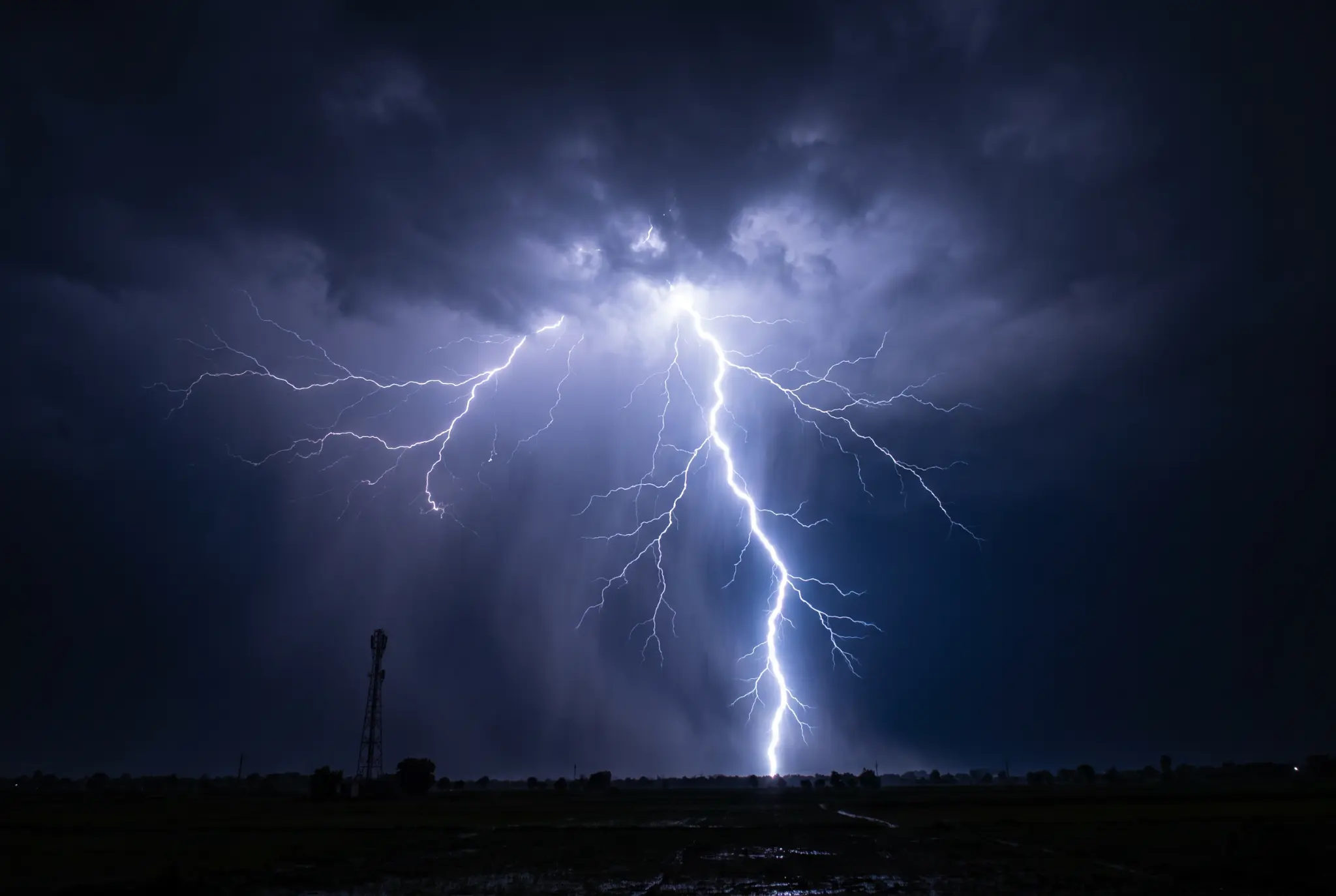
The sky door. Lightning does not have to hit the hall. A strike on a tree, a tower or a fence puts voltage onto long cables. Power lines, earth wires and leftover copper into the meet-me room all act like antennas. The pulse arrives at a camera port, a PDU or a management switch. That is why a lightning rod on the roof is not the same job as protecting the electronics.
The inside door. The hall itself is full of switching. Dense racks draw hard, then drop. Inverters and UPS blocks switch. If the earth those devices share is sloppy, they punch each other.
Earthing is the path that is supposed to swallow that punch. If the path is long, thin, rusty or sitting in soil that dries out after monsoon, the punch has nowhere to go. It goes into the board. Digital earthing is how you give that board a short, honest path when a normal pit cannot be trusted.
Why this year is worse than the last brochure
Older halls ran milder racks. A small dip in voltage was ugly. It was often survivable.
New halls are being built for AI and heavy compute. One rack now drinks what a small room used to drink. More current in less space means the same surge has more to wreck. A card that used to reboot now takes a neighbour with it. A switch that used to look “flaky” now drops a row.
India adds the capacity in cities where the feeder is already busy. Planned cuts still happen. Storms still walk the same corridors every monsoon the same season we wrote about why towers and CCTV fail in the storm. Soil under a Noida or Jewar plot is not the soil under a brochure from another country.
So the hall gets bigger. The surge does not get kinder. It gets more expensive when it lands.
What people notice first and what they misname
The first call is rarely “our earth is wrong.”
The first call is the UPS transferred roughly. A PDU tripped. A row went into a fail-over. Cameras on the campus ring died the same afternoon. A copper pair into the hall is noisy. After the Delhi-area data-centre fire earlier this year, the first public word was fire. Fire is what people see. The electrical room is where the story usually started.
Facility teams then do the human thing. They blame the UPS vendor. The UPS vendor blames the utility. The utility blames lightning. Nobody owns the last metre: the bar where building earth, surge-device earth and equipment earth are supposed to meet.
If that bar is a seasonal pit and a hope, the hall will keep producing “mystery events.”
How protection actually works, in the order a hall lives
Think of three rooms, not three products.
Outside the building. Lightning protection on the structure gives the strike a planned path down the shell. Designers use IEC 62305 for that risk. That path must not share a random column with the IT earth. If it does, the hall rises with the strike.
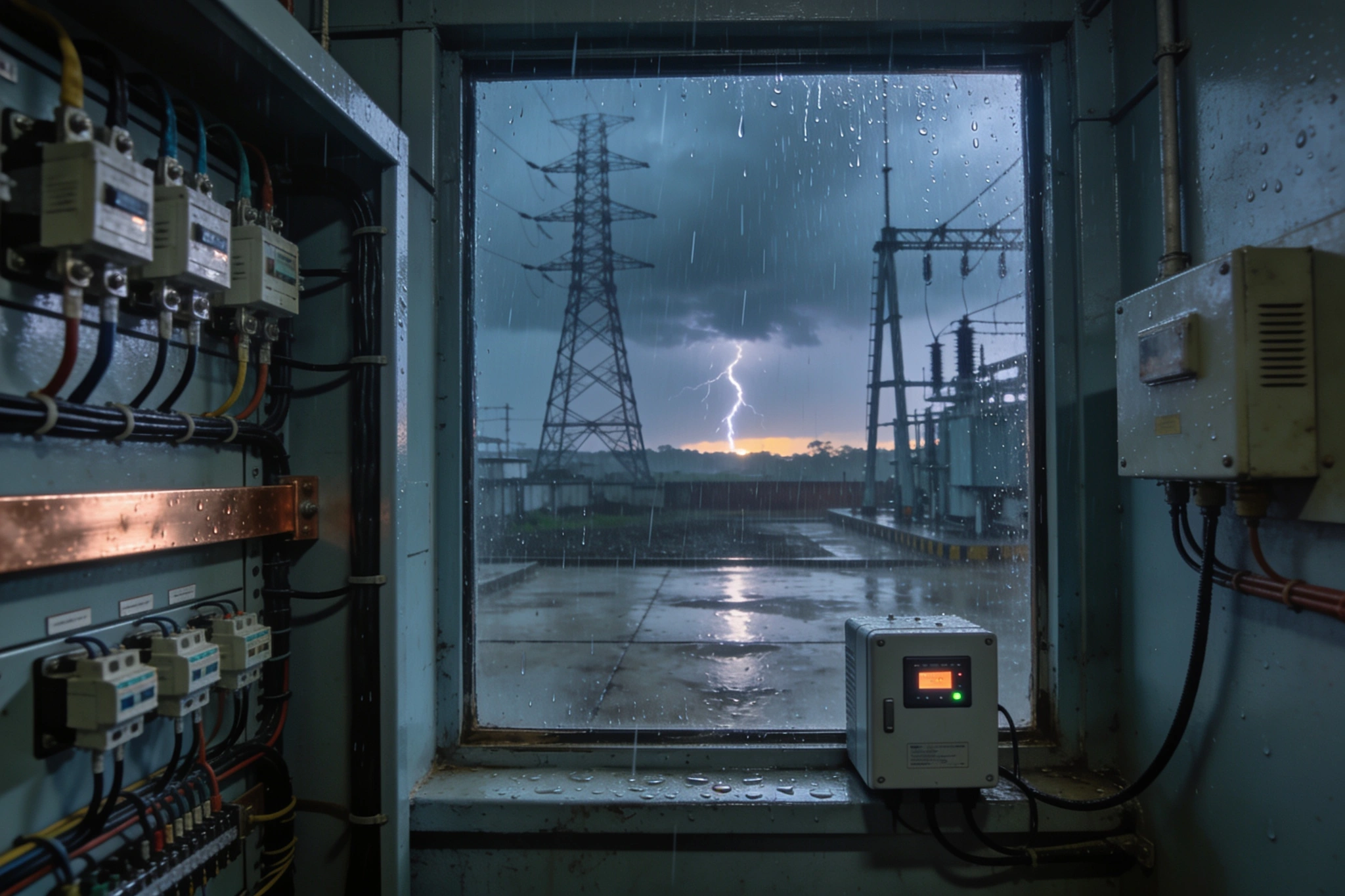
At the door of the electrical room. Surge protectors sit where the cable enters. Power needs a power protector. A leftover camera or management cable needs its own an RJ-45 protector for PoE on network copper, a coaxial surge protector on RF or analogue video. One device cannot clamp every kind of pair. The protector’s job is simple: take the spike and send it to earth before it becomes a voltage across a card.
Under the boards. Earthing is the dump. A digital grounding device is used when a normal pit cannot be trusted rock, sand, a plot that tests well in August and drifts in November. It does not replace the big earth grid of a serious hall. It gives the electronics a short path so the protector has somewhere to send the energy. The same idea, on a different drawing, is how we talk about digital earthing on defence and remote sites.
Miss any room and the other two look like they “don’t work.”
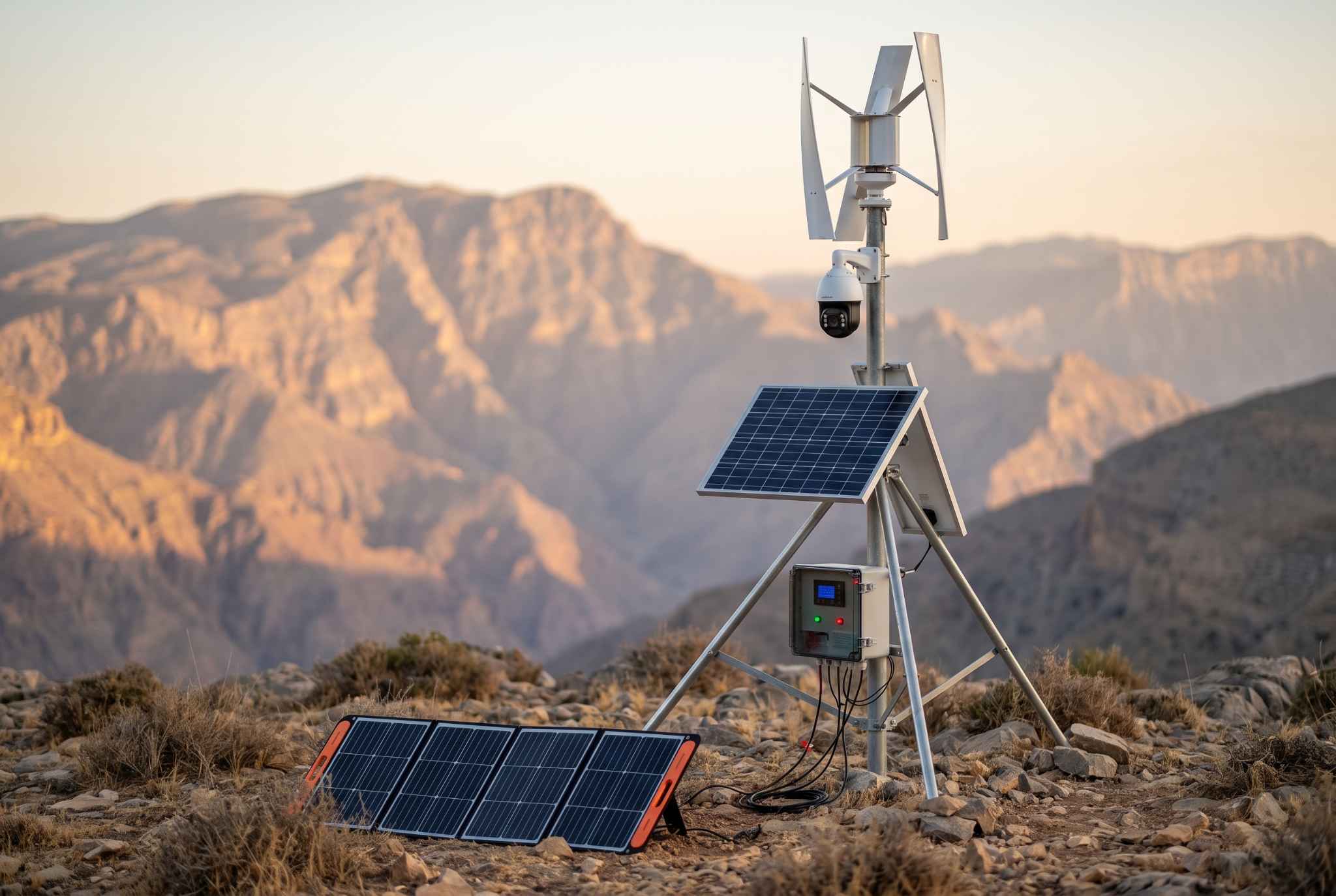
A large hall still runs on utility, generators and UPS. A hybrid power box belongs on the edge: campus cameras, a remote point of presence, a spur the hall still depends on. It is not the hall UPS. Put it in the wrong sentence and the spec becomes a catalogue.
What a good annex sounds like to a buyer
You do not need a lecture. You need five sentences a consultant can paste.
- Say how power arrives and that the UPS is not the surge plan.
- Say the building has a lightning design, not only a rod.
- Name surge protectors by door: incomer, hall board, copper into the hall.
- Say where building earth, protector earth and equipment earth meet, and how you will measure it after the first monsoon.
- Treat edge cameras and PoPs as their own small sites, with their own earth and power.
Jewar can copy Mumbai’s megawatt story. It should not copy Mumbai’s pit schedule without walking the soil.
Who this is for
If you run a hall in Mumbai, Chennai, Hyderabad or NCR, you already know the capacity news. You need the electrical annex to catch up.
If you design Jewar or the next 500 MW, do not leave earthing as “as per IS” with no sketch.
If you sell UPS, stop inheriting blame for a spike that never belonged to the inverter.
If you only have a campus server room that suddenly grew racks, the same physics applies at a smaller scale.
What to do with Rasnal
Rasnal does not build the hall. It builds the layer under it: lightning design, surge devices on the right cables, and digital earthing for the zone that holds the electronics.
Send the site type, the incoming supply, and which cables still enter the hall as copper. Ask for a one-page sketch, not a brochure.
Call +91 94172 88831 or write to Rasnal.
SCO-16, Industrial Area Phase-2, Chandigarh.
India can add megawatts this year. The hall still needs a quiet place for the surge to go
Frequently Asked Question
1. Is a UPS enough surge protection for a data centre?
No. A UPS covers a break in supply. A spike on the incomer or on a copper pair can still hit the load. Put SPDs at the board and on the data lines.
2. Why do AI racks care more about earthing than older servers?
They draw more power in a smaller space. A short sag or a residual voltage that an old rack ignored can now reset a whole row.
3. Can we copy a Mumbai earth design for Jewar?
Not blindly. Soil, lightning density and the feeder are local. Keep the standard. Change the measurement and the bonding sketch.
4. Does a lightning rod on the hall roof protect the servers?
It protects the structure. Servers fail on induced surge that travels down power and network cables. Those cables need their own protectors and a stable earth.
5. Where does hybrid power fit in a large data centre?
On the edge cameras, PoPs, spurs not as the hall UPS. The hall stays on utility, generators and UPS.
Explore Categories
.webp)
Digital Grounding devices
Industrial & Network Solutions
Solar & Smart Energy
Fire Safety Systems
Surge Protection
CCTV & Security
Solar Energy